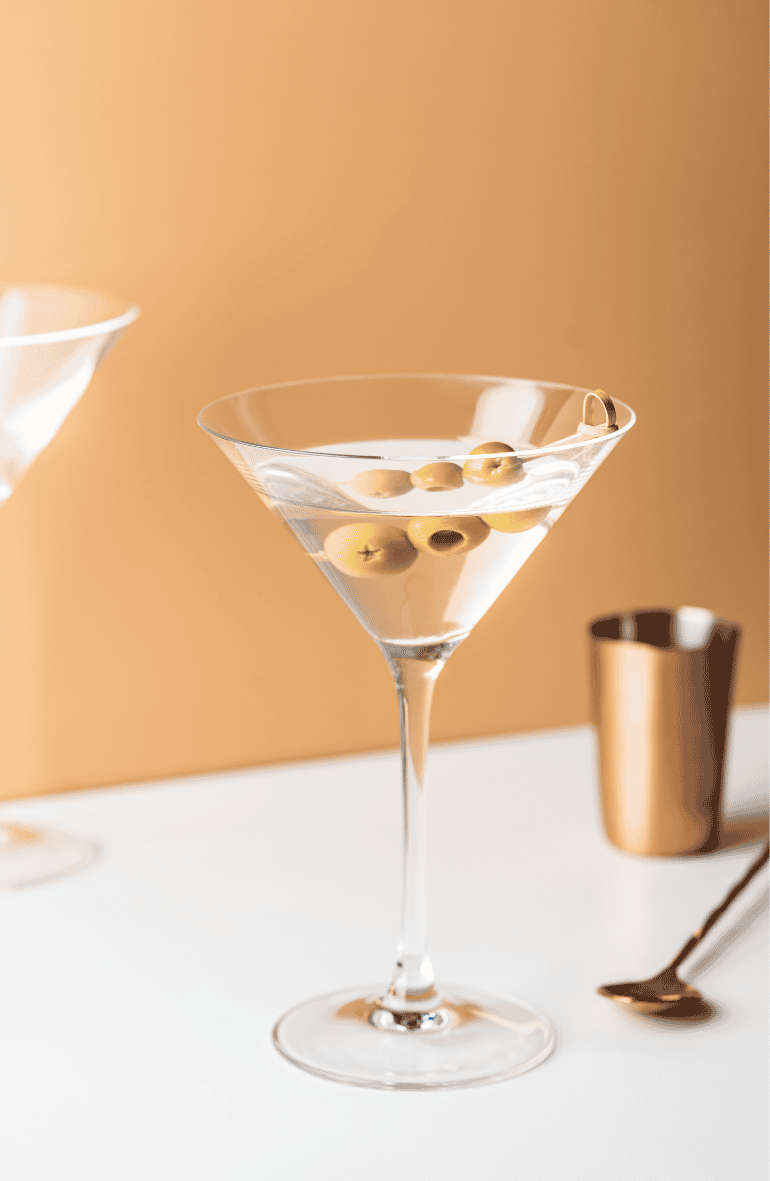
The identity crisis that asks: Does drinking less mean becoming less you?
Prefer to listen? Find ep. 155 wherever you get your podcasts.
The challenge with changing the way that you drink in midlife is very rarely just about the alcohol itself.
It’s that the alcohol is tied up in so much of the identity with which you see yourself, that it becomes hard to separate who you are with a drink in your hand from who you are as a person without it.
When it started, I never knew whether my journey was leading me to just cutting back or entirely cutting out alcohol. It had played such a significant role in my life up to that point that I couldn’t really see much further ahead than just knowing that something had to give.
I learned a lot along the way. And while I was confident that changing the way I allowed booze to show up was going to be a truly positive decision, that doesn’t mean it wasn’t also just a bit terrifying to think about how my shifting drinking patterns might also shift my entire identity.
A Cocktail Paints A Thousand Words
From how you enter a party to what your favourite cocktail says about you, it’s something I spent years subconsciously sculpting. Looking back now, I understand that it was how I portrayed who I thought I needed to be in any given situation.
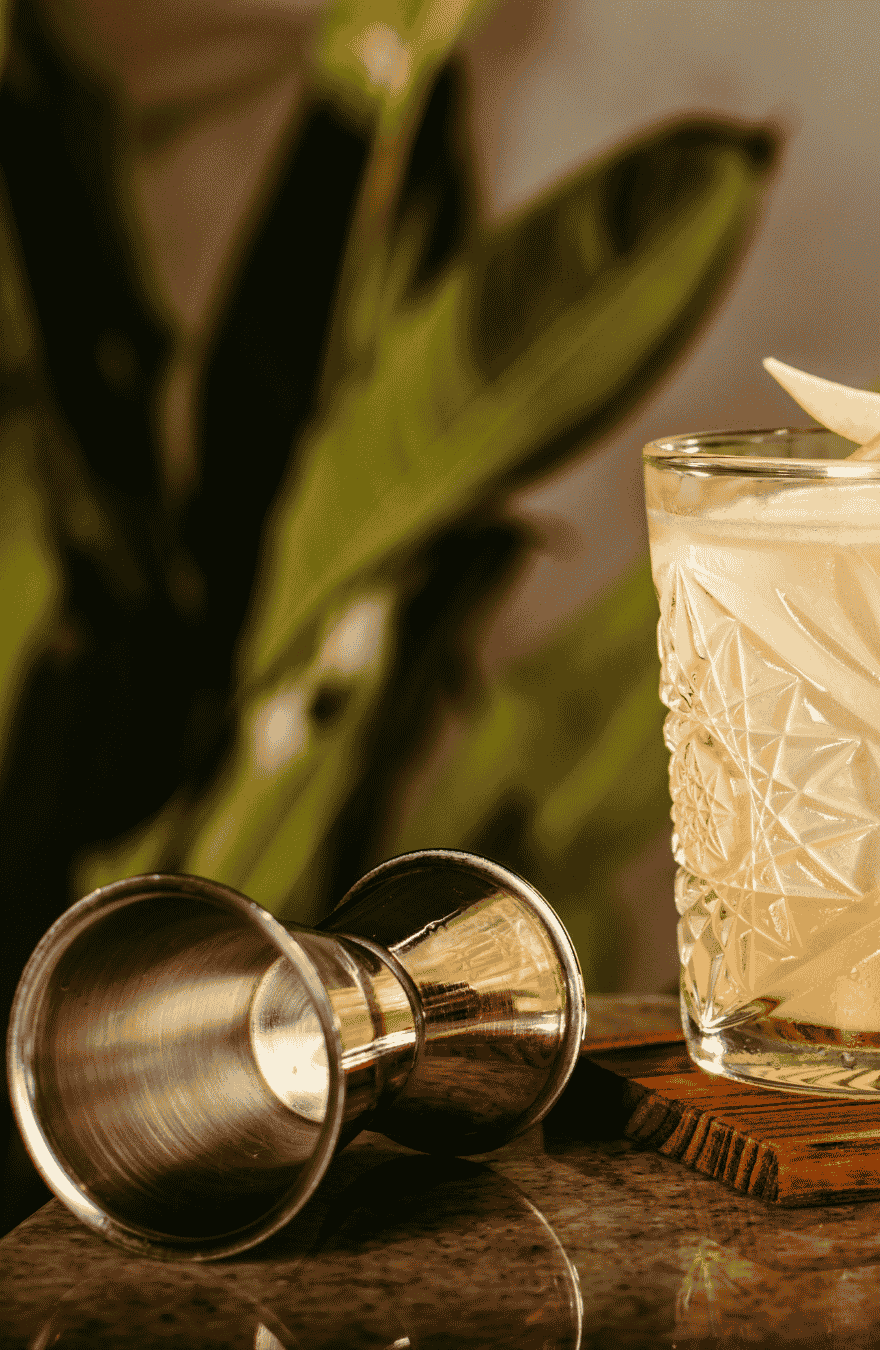
For me, it was the drink itself. My favourite cocktail: An Old Fashioned.
Why? Because it was bold, strong, uncompromising and took no prisoners. Yeah, there was a little sweetness to cut through the harsh edges, but it was a drink for the brave.
When I had an Old Fashioned in my hand, I felt like the movie star in the aftershave advert, standing territorially at the top of a mountain with a pet puma by their side or some shit.
Yeah, I liked the way it tasted (back when I could handle such strong drinks), but I liked what it said about me even more.
Maybe for you it’s the serve.
Perhaps a perfectly presented Espresso Martini with just the right amount of coffee crema head and three perfectly placed coffee beans to represent your exacting personal standards.
Or maybe it’s top-shelf booze only because you deserve nothing less than the finer things in life.
How about the way you enter the party?
Two bottles of prosecco in each hand and a raucous whoop of excitement for the night to come, or cool, calm and collected with a bottle of rare gin and little tasting cups for everyone.
I have been, or known, all of these people in my drinking past. And I loved them all dearly at the time.
But now those personas don’t seem to fit who I am or who I want to be. And so I have to ask: Am I changed completely?
Does taking the bottle out of my hand for a night, a month, a year, forever, mean I can no longer command the same sense of presence when I enter the room? Ultimately, I wonder: does reducing my alcohol intake also reduce my identity?
If this fear feels familiar, I wrote more about that awkward feeling of not quite belonging in The Imposter Blues of Drinking Differently.
I’ve Changed
I’ve changed; I know I have.
Age. Children. Redundancy. Health. A mortgage. These oh-so-glamorous things have all changed me in some way.
In fact, I think it would be a little sad if they hadn’t. If I hadn’t learnt and grown, adapted and developed. So it seems only reasonable that alcohol (and its subsequent reduction) would change me, too.
For me, alcohol cemented friendships with people I’d known for decades. More than that, my relationship with my husband was built entirely on alcohol when we first met and well into the early years of our marriage.
It had become a part of who we were as a couple and how we connected in every way (wink wink, nudge nudge).
When I first decided to change the way I drink, the thought of pulling at the thread that initially bound us together was terrifying.
What would it mean for our relationship?
Was I enough just as I was?
Or was it one change too far?
And what about work? I was made redundant from my job in hospitality during COVID, so if I wanted to pick my career back up after finishing maternity leave, would I be able to go back into bars and events and throw amazing parties without drinking my way through the back bar (all in the name of research, you understand)?
Or would I be too out of touch with what my clients wanted if getting pissed was no longer the driving force behind my own social get-togethers?
For years, I had presented myself as this all-knowing (I wasn’t), uber-cool (definitely not) party planner, and I took that ID with me everywhere I went.
When I started drinking differently, it felt almost as if my ID was being checked at the door, and sometimes I couldn’t get in. Like I had to relearn the secret handshake of socialising whenever I happened to choose to do it with less booze, or God forbid, none at all.
Could I still be cool, funny, clever, sexy, without a martini in hand, or had I changed too much?
What I Know Now
I know now, without question, that when you change the way you drink, everything shifts. It’s unavoidable. But it’s also kind of the point.
If you always do what you’ve always done, you’ll always get what you’ve always got.
And I decided I wanted to get something different out of life. To do that, I had to become someone different. If I didn’t, I’d already have had what I wanted. (It’s only logical, Captain).
So yes, for me, changing the way I drink did shift my identity. And it probably will for you, too.
How much? Maybe a little, maybe a lot. I’m afraid there’s no way to know until you get there.
But what I’ve come to realise is that a shift doesn’t have to equal a reduction.
Different isn’t the same as less!
I can still do, be and have the things that I did before, but maybe now they look a little different.
Maybe now I’ll bring one bottle to the party instead of four. Maybe I’ll rely more on my words to show my strength instead of my cocktail.
And maybe, just maybe, I’ll treat myself better because I deserve the best, rather than drinking it in via an £80 bottle of scotch.
Reframing the identity shift from ‘change and loss’ to ‘learning and growth’ helped me adjust my mindset about the whole experience and what it could do for the life I wanted.
And to recognise that what at first looked like fear of change, or loss of identity, was in fact, the opportunity to boldly step into my next evolution, and away from the mediocrity of repetition in a way I never allowed myself to do before.
I’m still rewriting my script. I hope I always will be.

Leave a Reply